







Search Results for: Guava Drink
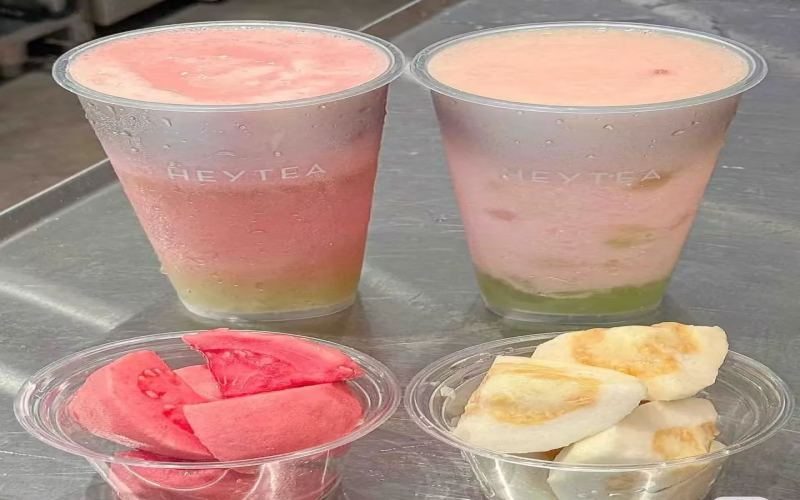
HEYTEA Guava Series Ingredient Change: After Red Guava's Curtain Call, White Guava Takes Over, Sweetness Sparks Heated Debate
As April draws to a close, the supply season for red-fleshed guava is coming to an end, and the seasonal guava fruit tea series featuring red-fleshed guava under HEYTEA is also facing discontinuation. However, fan enthusiasm has not waned, and the company immediately announced that it would replace red-fleshed guava with white guava, allowing the two limited-edition drinks "Refreshing Guava Grape" and "Refreshing Guava Jelly" to continue being sold. On the day the new products launched, HEYTEA offered a buy-one-get-one-free promotion, triggering a surge in store orders and noticeably longer waiting times for consumers. The new version of the drinks still has a pale pink appearance, but feedback on the taste is polarized: some people feel there is little difference from the old version, while others report that the sweetness is too high and the guava flavor has become weaker. Industry insiders point out that white guava and red-fleshed guava are inherently different in sweetness and flavor, and combined with adjustments to other ingredients in the formula, differences between the new and old versions are unavoidable. [more…]

Jasmine Milk White Guava new drink criticized for astonishing amount of ice: the "less ice" option is practically useless, with ice filling half the cup.
Molly Tea recently launched its seasonal limited-edition "Exotic Guava Series," and the two new drinks—"Jasmine Cream Guava" and "Jasmine Guava Milk Skin"—quickly attracted a large number of consumers eager to try them, thanks to the pretty pink appeal of red-fleshed guava. However, not long after they hit the shelves, feedback flooding social platforms unexpectedly converged on one focal point—too much ice. Many customers found that even when they chose "less ice," the drink shrank by more than half after the ice was scooped out; some even fished thirty-five ice cubes out of a single less-ice drink. What exactly is going on here? And what secrets lie behind the ice standards at tea beverage shops? As an observer deeply engaged in coffee and beverage culture, Front Street Coffee is also paying attention to this phenomenon. [more…]

HEYTEA's new Nanjiang Licorice Guava drink reported to contain sealing paper: why do Chaoshan-style beverages frequently have foreign objects?
In late February, Heytea launched a new product inspired by Chaoshan licorice fruit, the "Nanjiang Licorice Guava Bottle," mixing guava juice, nanjiang plum powder, licorice powder, dried tangerine peel powder, and preserved plum powder with a tea base and oil mandarin juice, in an effort to replicate the flavor of street-side licorice fruit. However, after this distinctly Chaoshan-flavored new product hit the market, controversy has been continuous: Chaoshan consumers generally reported that they could not taste the nanjiang flavor they remembered, while customers from outside the Chaoshan region were full of doubts about how strong the ginger flavor was and whether it was spicy. More notably, multiple consumers drank a complete round sealing paper from the bottle, suspected to be caused by the double-layer sealing design allowing the paper to be pushed into the drink by the straw. Heytea customer service responded that the paper is a food-contact-grade material and does not affect consumption. This article will sort out the development approach, packaging design, and the ins and outs of the foreign object incident for this new product. [more…]
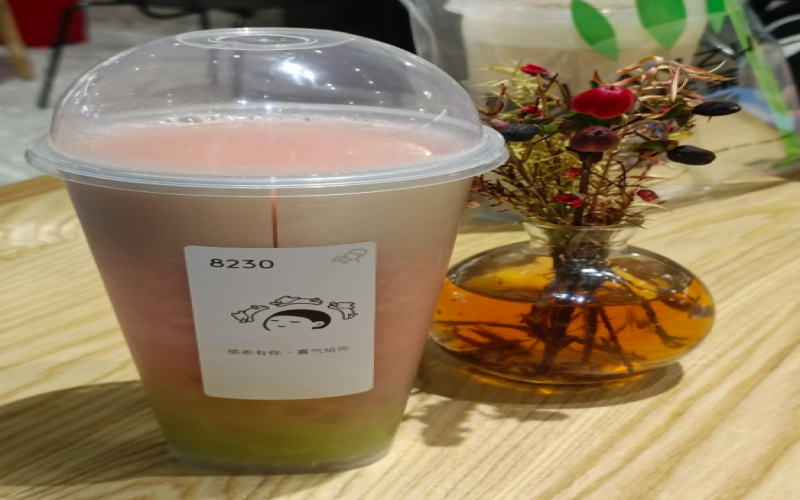
The real situation of milk tea shop employees: hand-squeezing juice and peeling fruit every day, frozen shoulder and tenosynovitis have become common occupational diseases.
Last spring, Heytea's guava series of fruit teas captured a large number of consumers with their refreshing taste, and their removal from the menu after the season became a regret for many. On the eve of this year's Valentine's Day, the guava series finally returned amid widespread calls for it, and as soon as the Refreshing Guava Grape Tea was launched, it flooded social media, with store orders packed. However, while fans were raising their cups for photos and check-ins, Heytea employees in the back kitchen were facing baskets of fresh guavas, wanting to cry but unable to shed tears. Manually squeezing fruit puree, peeling green grape flesh, and long hours of repetitive labor caused many staff members to develop health problems such as frozen shoulder, tenosynovitis, and hand allergies. Behind a cup of seemingly simple fruit tea, what exactly is hidden in terms of the production process and labor intensity? This article takes you to understand the real working conditions of milk tea workers. [more…]

Behind the Hot Sales of Red Heart Guava Drinks: Jasmine Milk Tea Employees Overwhelmed by Hand-Removing Seeds, Ripening Tricks Fail to Ease Order Pressure
Recently, a red guava trend has swept through the tea beverage scene, with brands such as Heytea, Jasmine Milk White, LELECHA, Quchashan, and Grandma Handmade launching seasonal limited-edition guava drinks. Among them, Jasmine Milk White's "Jasmine Pink Guava" and "Matcha Pink Guava," made with fresh-squeezed red guava juice in specialty fruit milk, quickly went viral, with orders flooding in. However, behind these highly photogenic drinks, store employees are crying out in distress—unripe guava flesh is rock hard, and manually scooping out the core and seeds is time-consuming and labor-intensive, leaving many with hand cramps or even carpal tunnel syndrome. To deal with the rock-hard guavas, staff tried ripening methods such as sealing them in plastic bags and placing them alongside bananas, but demand still outstripped supply. Compared with Heytea's approach of blending the fruit directly into smoothies—skin and seeds included—Jasmine Milk White employees, while envious, would rather the brand just discontinue the new products. This article takes you behind the scenes of the guava craze to reveal the hardships of making these drinks and the voices of the employees. [more…]

Ethiopia Shakiso Washed G1 Coffee: Flavor Analysis and Origin Guide of Earl Grey Aroma and Caramel Sweetness
In coffee tasting, a tea-like character often implies a clean, translucent texture and a long, sweet finish. If you want to capture this delicate experience, Front Street Coffee Sidamo Huakui 11 is a great entry choice—traditional natural processing paired with a medium-light roast, from Guji Hambela, it presents layers of cream strawberry, citrus, guava, and dried mango after pour-over, with a clear black tea note in the finish. This article, however, will focus on another micro-lot also from the Guji region: Shakiso washed G1. It is located in the Guji zone of Sidamo and is known for its Earl Grey tea, lemon, citrus, and caramel flavors. Ninety Plus's legendary bean Nekisse is named after the nectar of Shakiso. The following will outline its regional background, processing method, and complete flavor profile. [more…]
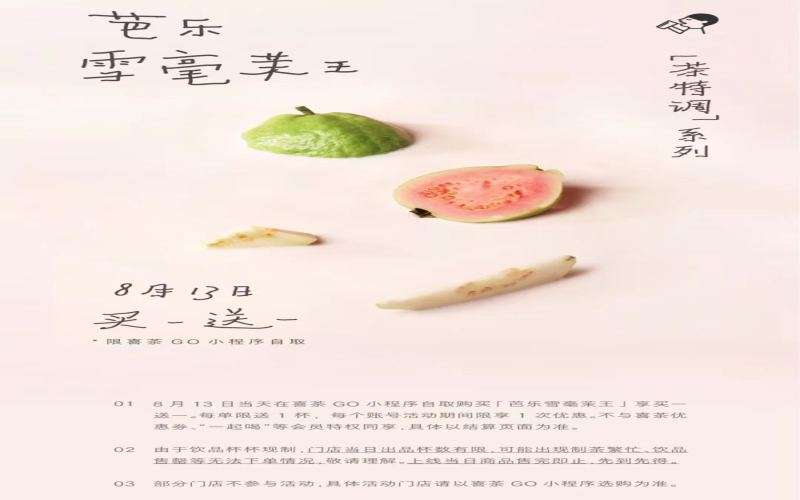
Heytea's String of New Product Launches Draws Employee Complaints: Tension Between R&D Launch Pace and Store Workload Comes to the Fore
Heytea recently announced that it will launch its first "Tea Special" product, "Guava Snow Jasmine King," on August 13, accompanied by a limited-time buy-one-get-one-free promotion, drawing widespread consumer attention. However, behind the frequent release of new products, store employees are facing increasingly heavy production pressure. According to statistics, Heytea has launched at least 7 new products in the past two months, covering categories such as milk tea, fruit and vegetable tea, and smoothies, with the menu updated almost every 1 to 2 weeks. From washing and cutting fruit to stirring cheese glutinous rice, and then to making smoothies, employees' workload keeps piling up, and a large number of complaints have appeared on social media. This article sorts out the contradiction between new product launches and employee burden, presenting the real voices behind the rapid product innovation in the tea beverage industry. [more…]
2019 TOH Ethiopia Natural Group Champion: A Detailed Analysis of Specialty Beans from the Adorsi Processing Station in the Aricha Region
The 2019 TOH (Taste of Harvest) Ethiopia Natural Group national champion was won by a Yirgacheffe submitted by the Adorsi processing plant, with a cupping score as high as 91.38 points. The processing plant is located in the Aricha production area, at an altitude of 1,950-2,100 meters. The combination of red volcanic soil and the ancient native Heirloom variety, together with hand-selected 17-18 mesh green beans and a precise anaerobic fermentation process, gives this coffee its outstanding cup performance. Front Street Coffee provides you with a detailed introduction to this champion bean's origin background, competition journey, and flavor characteristics, and shares its richly layered flavor profile of strawberry, berries, guava, brandy, and liqueur chocolate, as well as the changes in acidity and sweet aftertaste after the coffee cools. [more…]
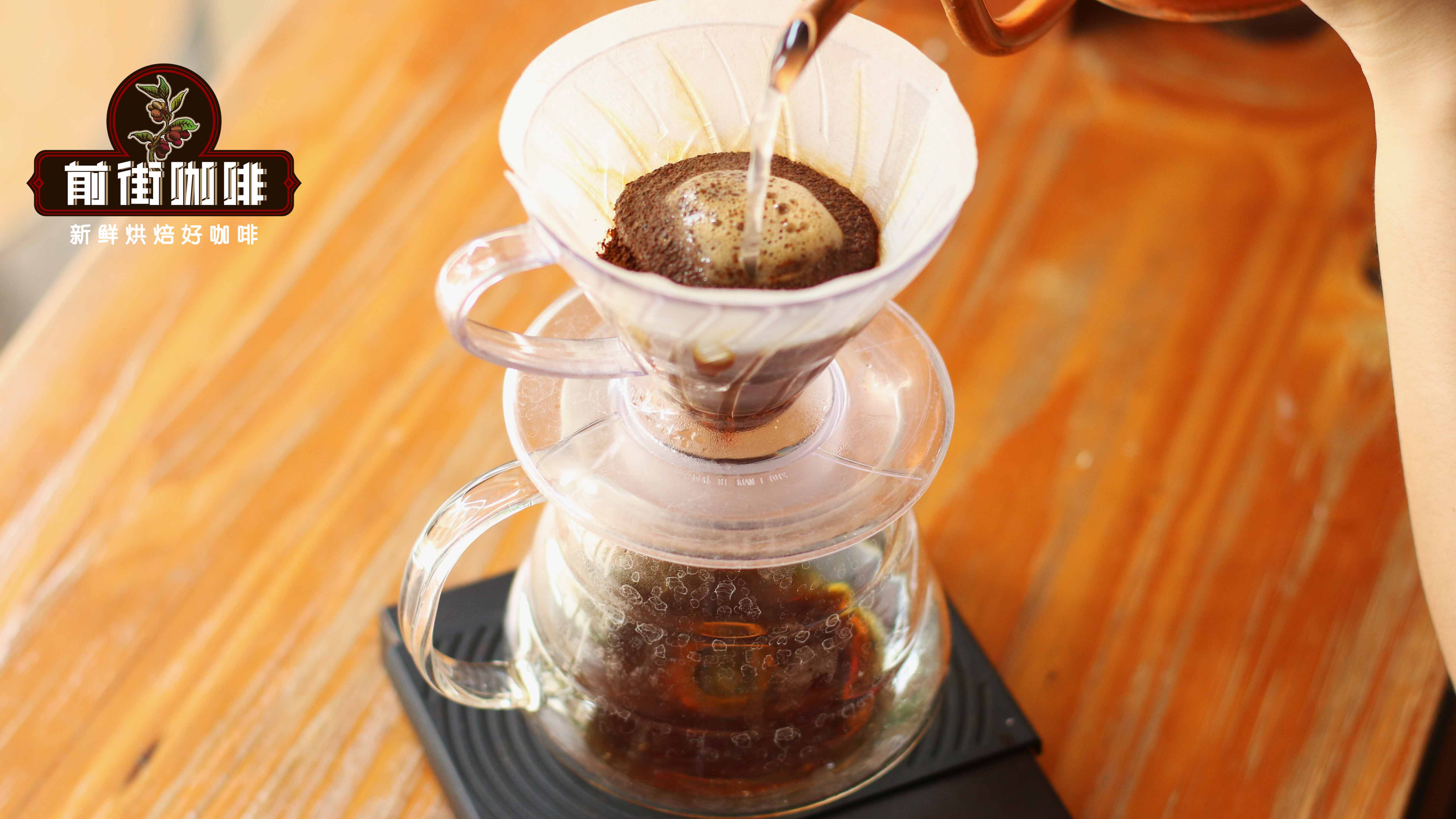
What Exactly Is Coffee Fermentation? Analyzing the Differences Between Aerobic, Anaerobic, and Double Anaerobic Fermentation
In coffee tasting, "fermentation" is a term that is often mentioned but easily misunderstood. It does not mean that the coffee contains alcohol; rather, it describes an aroma and mouthfeel reminiscent of ripe fruit or even overripe fruit. Coffee itself is a fermented food, and its flavor is deeply influenced by the way it is processed. This article starts from everyday conversations at Front Street stores and systematically explains the essence and sources of fermenty notes, as well as the differences between aerobic fermentation, anaerobic fermentation, and double anaerobic fermentation. At the same time, we will also explore how the fermentation process shapes coffee's aroma and complexity, and recommend Front Street's natural, honey-processed, and anaerobic-processed coffee beans for different preferences, helping you find the cup that suits you best in your everyday purchases. [more…]

Can you still drink coffee beans after they expire? Understanding the difference between shelf life and peak flavor period, plus recommendations
The shelf life of coffee beans is usually longer than that of most foods because they are a low-water-activity food and are not prone to spoilage. The packaging of coffee beans sold by Front Street Coffee indicates a shelf life of one year; this period has been determined through professional testing, and under proper storage conditions, the risk of spoilage is relatively low. However, in addition to the shelf life, coffee beans also have a more critical "flavor window"—the optimal tasting period. After the flavor window passes, aromatics are largely lost due to volatilization, and the coffee becomes mediocre. So, can expired coffee beans still be drunk? This article will analyze in detail the difference between shelf life and flavor window from the two perspectives of food safety and flavor performance, and give Front Street Coffee's drinking recommendations. [more…]
How to Choose Coffee Beans with Tropical Fruit Flavors: From Light Roast to Medium-Dark Roast
Tropical fruit flavors are commonly associated with notes like mango, passion fruit, pineapple, guava, and ripe berries. They smell bright and lively, and on the palate they easily bring out a juicy, sweet-tart quality. However, even when a coffee is described as fruity, different roast levels can make what’s in the cup shift from crisp fresh fruit to soft fruit jam. If you want to taste a particular kind of fruitiness, you can start with [more…]
Where Does Coffee Fruit Flavor Come From? Four Dimensions—Variety, Origin, Processing Method, and Roast Level—Teach You to Choose the Right Fruit-Flavored Coffee Beans
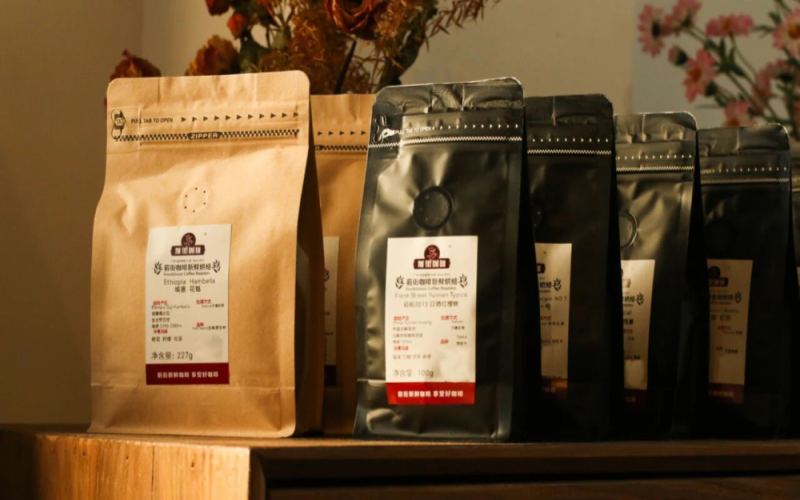
The fascinating fruity aromas in coffee are no accident—they stem from aromatic compounds stored within the green beans, which are fully unleashed during roasting. To choose a fruity coffee that suits your taste, you need to consider four dimensions: variety, origin, processing method, and roast level. This article begins with the principles behind how fruity flavors form, sorts out the sources of common fruit flavors such as citrus, passion fruit, mango, and strawberry, and, drawing on Front Street Coffee's cupping experience, recommends five representative fruity coffee beans to help coffee lovers find the cup they're looking for. [more…]
A Detailed Guide to the Specialty Geisha Pour-Over Method: Complete Parameters and Flavor Analysis from Bean Selection to Extraction
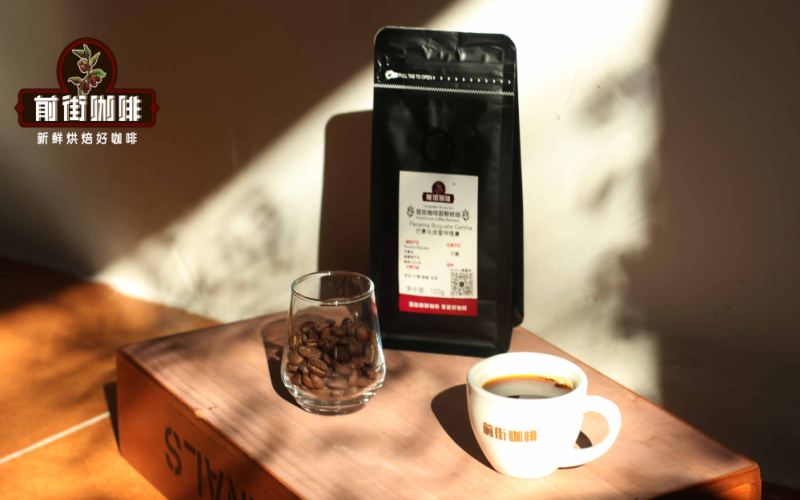
Geisha coffee has long been hailed as the king of the specialty coffee world, with high-end Geisha from Panama being especially sought after. Using the 90+ Panama Geisha Estate's Prospect Geisha as an example, this article systematically walks through the complete pour-over process, from bean selection and resting to three-stage pouring, and provides key parameters such as water temperature, coffee-to-water ratio, and grind size. It also shares the flavor profile of Front Street Coffee's Boquete Geisha, helping lovers of floral and fruity notes find an everyday go-to option, so that every brew comes closer to the ideal of cleanliness and complexity. [more…]
Cold Brew Coffee Bean Selection Guide: How to Choose Light-to-Medium Roast Fruity Single-Origin Beans, with Five Floral Bean Recommendations
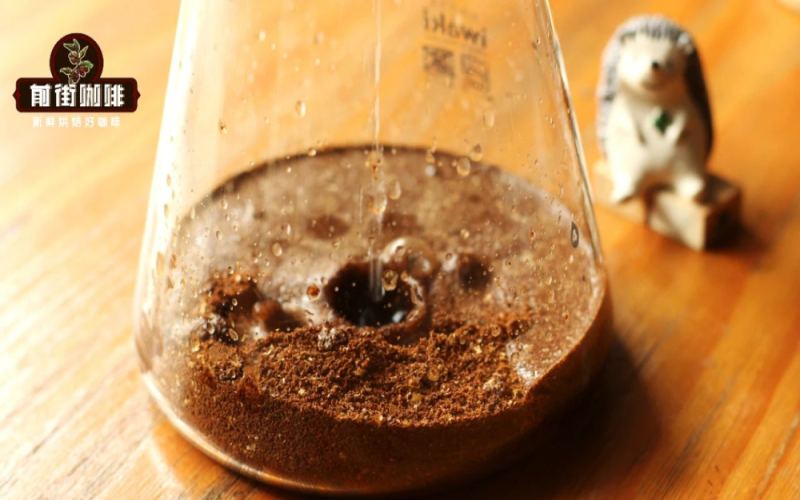
Cold brew coffee, through its low-temperature slow extraction process, releases only floral and fruity aromas along with caramel sweetness, with almost no bitterness, making the choice of coffee beans especially critical. This article starts with the extraction principles of cold brew, answers what kind of coffee grounds to use for making cold brew, and highlights five light-to-medium roast single-origin beans with floral and fruity notes suitable for cold brew—from Front Street washed Fudingding to Butterfly—listing the flavor performance of each under two methods: cold brew/ice drip and Japanese iced coffee. At the end, it also includes Front Street Coffee's purchasing and roasting/shipping information, making it convenient for coffee lovers to buy as needed. [more…]
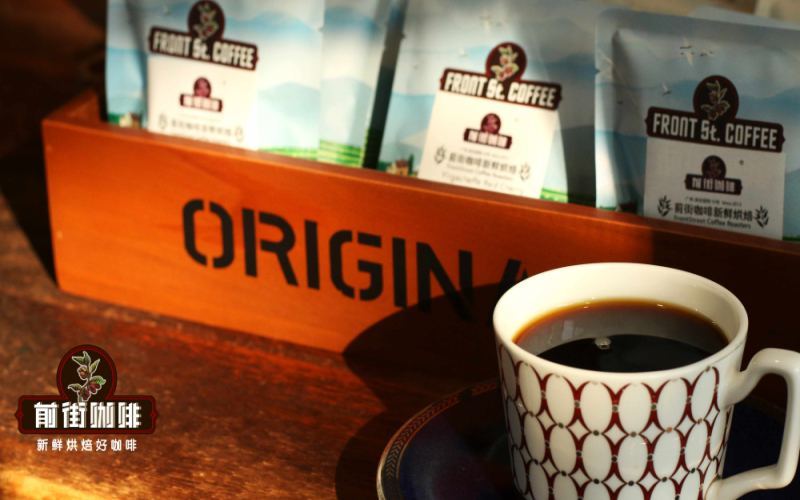
How to Choose an Entry-Level Panama Geisha? Variety and Flavor Analysis of Three Budget-Friendly, High-Value Geisha Coffee Beans
In the world of specialty coffee, Geisha has become a benchmark in the minds of many enthusiasts thanks to its intense floral aroma, bright fruit acidity, and lingering sweetness, yet its high price often makes it hard to enjoy on a daily basis. This article focuses on the uniqueness of the Geisha variety, sorts out the flavor differences between Panamanian and Ethiopian Geisha, and, based on official sales rankings, recommends three Geisha coffee beans under 100 yuan with excellent quality: Front Street Boquete Geisha, Front Street Gesha Village Red Label Geisha, and Front Street Granja Estate Geisha SOE. The article details each bean's growing region, flavor description, and suitable brewing methods, helping coffee lovers with limited budgets find a Geisha coffee suitable as a daily staple or an entry-level first choice. [more…]

How to Brew Coffee at Home Without a Dripper, Filter Paper, or Pour-Over Kettle? A Complete Guide to Four Simple Alternatives
Returning home for the Spring Festival, your coffee craving kicks in, only to find you didn't bring a dripper, your filter papers are used up, and your pour-over kettle is nowhere to be found? Don't worry—as long as you have ground coffee and hot water on hand, you can still brew a delicious cup. This article rounds up four simple brewing methods you can do at home: propping a filter paper up with chopsticks, steeping in a teapot, boiling directly in a pot, and an immersion method mimicking cupping. Each method comes with detailed parameters and step-by-step instructions, and using Front Street. Hamashiu natural beans as an example, it walks through the flavor results of each approach one by one, helping you get a satisfying cup even when you're short on gear. [more…]
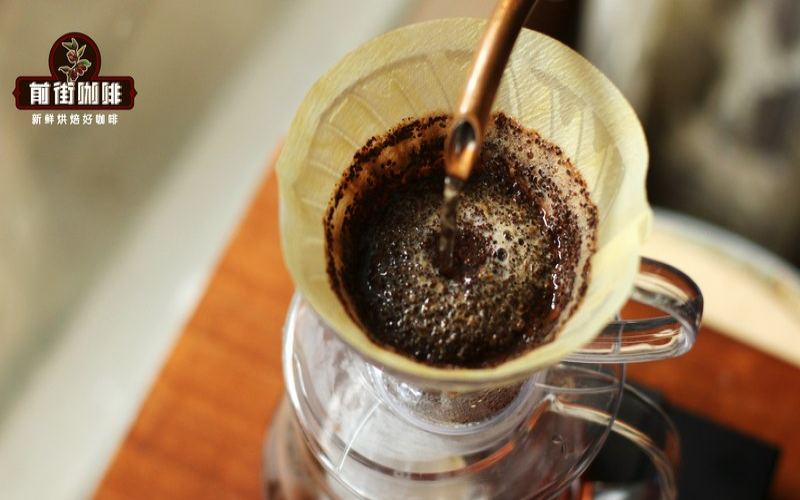
When to drink berry coffee beans for a clearer flavor
Berry-forward coffee beans often burst with aroma right after roasting, yet on the palate they can seem sharp, scattered, and may even carry a hint of roast character. Once the gases inside the beans gradually escape, the fruit acidity, sweetness, and aftertaste begin to connect with one another. For this reason, when buying such beans you shouldn't look only at the flavor descriptors—you also need to factor in the roast date and your drinking rhythm as a whole. [more…]
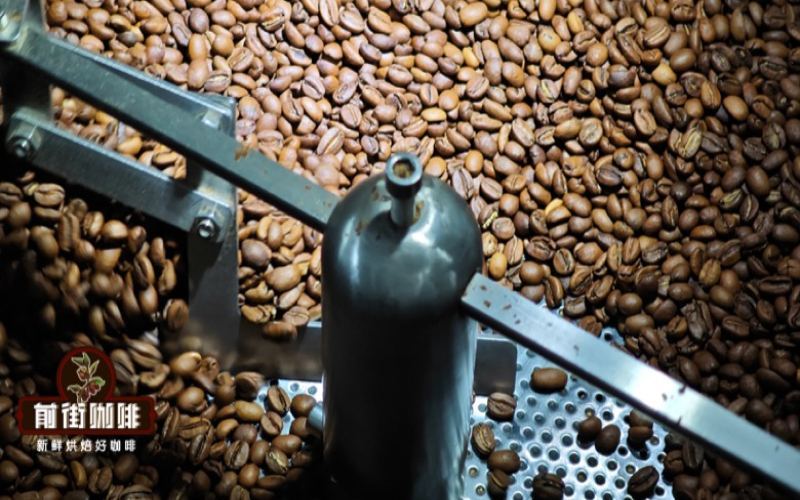
What coffee drinks is SOE suitable for? Coffee bean recommendations: how different roast levels change the cup profile.
The roast level shifts a coffee bean's flavor focus and extraction rhythm. Light roasts generally retain more floral and fruity notes with bright acidity, medium roasts tend to show sweetness and balance, and dark roasts lean toward nutty, cocoa, and full-bodied flavors. None is superior to another—the key is whether it matches how you drink it. For espresso extraction, the focus is on dose, grin [more…]

How to Choose American Beans for Home Use: Balancing Value and Flavor
When making Americano at home, choosing the beans matters more than the equipment: a basic drip machine paired with the right beans can still brew a fully flavored cup. Front Street Coffee Kenya Little Tomato works well for home Americano—the sweet-and-sour notes of cherry tomatoes and brown sugar come through clean and bright in the drip machine's downward extraction. Have a cup in the morning, and it offers more layers of flavor than takeout coffee. [more…]

Yirgacheffe for Pour-Over: Complexity and Cleanliness
For pour-over Yirgacheffe, the standard is flavor layering and clarity: washed Gedeb, with its citrus florals and green tea sweetness, unfolds layer by layer through the pour-over filter paper; sun-dried Huakui has a richer fruit aroma—when brewed as pour-over, the strawberry sweetness arrives first, followed by the passion fruit acidity—pour-over brings out Yirgacheffe's layering [more…]